Drug & Alcohol Addiction Treatment
That Supports Real Recovery
Compassionate, evidence-based care designed to help you heal, regain balance,
and reconnect with who you truly are – at your own pace, with full professional support.
Don’t trust our word, let others share their experience, strength, and hope.
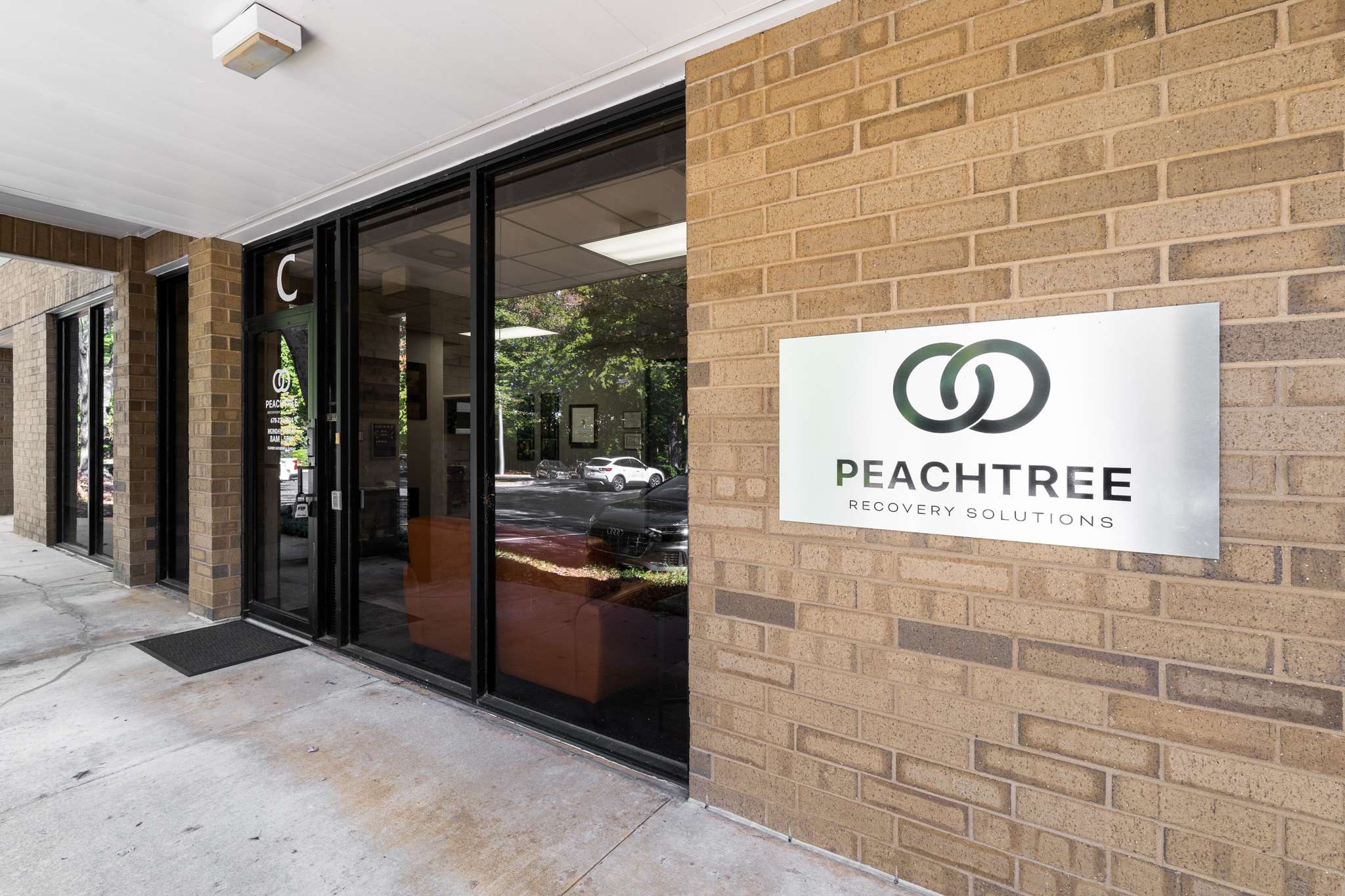
About Peachtree Recovery Solutions
We provide evidence-based drug and alcohol treatment, supporting adults with addiction and co-occurring mental health conditions through compassionate, life-changing care.
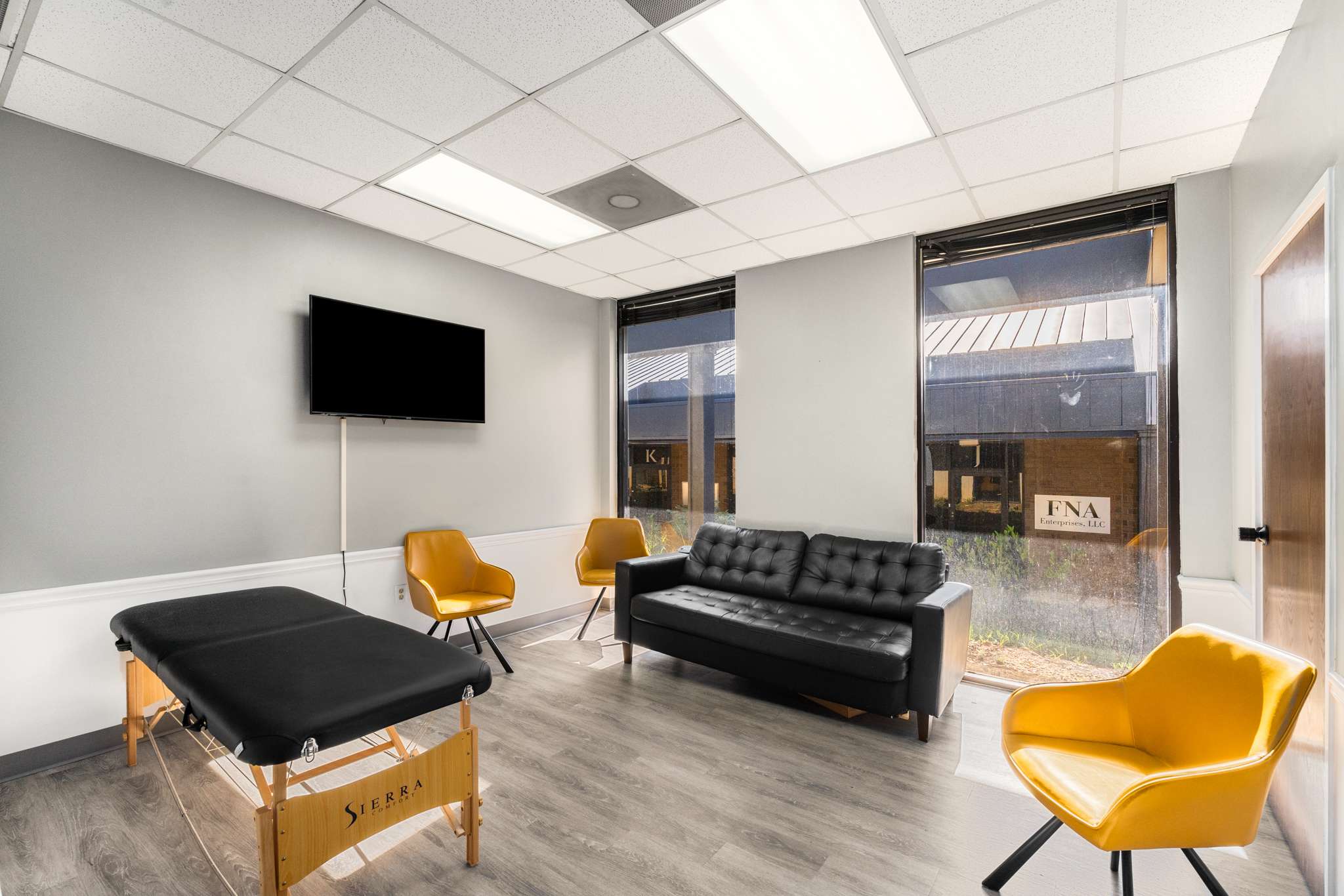
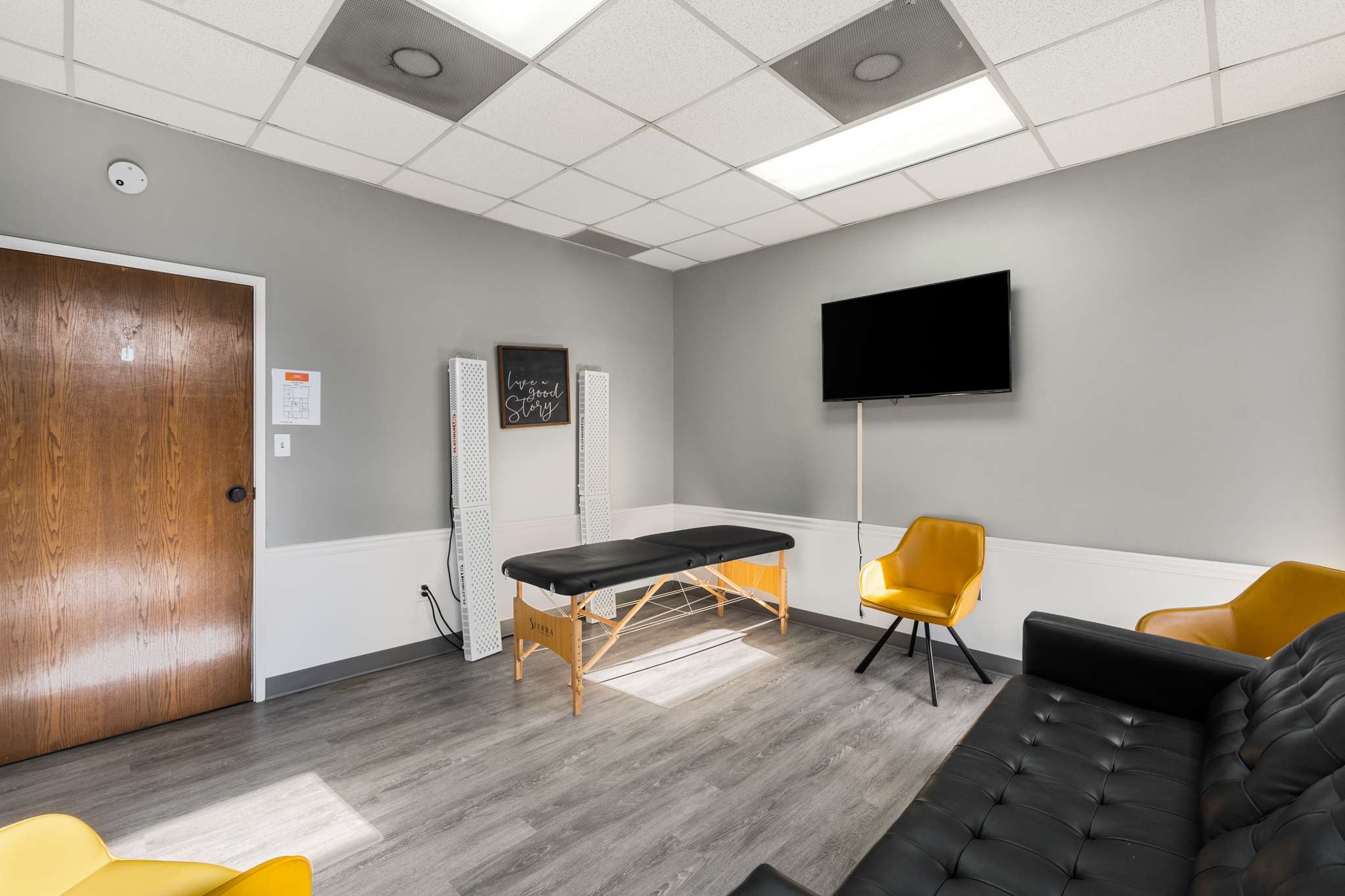
Our commitment begins with a comprehensive approach that combines evidence-based treatment, personalized care, and a supportive environment.
Our vision is to guide each individual that walks through our doors through an immersive, compassionate and caring experience that will bring lasting change.
We offer a variety of treatment programs including Partial Hospitalization, Intensive Outpatient, and Outpatient programming that can help you achieve your goals, while you still live from home, a sober living house, and fulfill work and school obligations.
Substance Use Treatment at Peachtree Recovery Solutions
We provide structured, compassionate care that helps individuals heal
by addressing the root causes of mental health challenges.
Partial Hospitalization is full day treatment. During PHP clients are at our facility for the duration of the day (six hours) with a lunch break in-between. Client’s take part in group therapy, individual therapy, and more.
Intensive Outpatient is a shorter form of our PHP program. Instead of six hours per day, clients are with us for three hours partaking in group therapy, experiential therapy, and more.
Our evening IOP program and addiction treatment programs in Georgia are designed to provide structure and support while still allowing you to maintain school and/or work obligations.
Residential treatment is an ideal starting point for those who need more care as they get started in their recovery. It is a comprehensive experience that gives patients the opportunity to live at the facility while receiving care.
Structured sober living homes are structured residences to help bridge the gap between treatment and the real world to help provide safety, accountability, and help those in early recovery build sustainable lives.
Upon admittance into our programs, clients are created a personalized treatment plan based on
their medical, clinical, and psychological needs. Treatment plans can incorporate the following therapies:
One of the first signs of addiction is developing a tolerance to the substance. Tolerance means that you need more and more of the drug or activity to get the same desired effect. As your tolerance builds, you may start to feel like you need the substance just to get through the day. Other symptoms of addiction may include changes in behavior, such as skipping school or work, lying, or stealing. You may also have withdrawal symptoms when you try to stop using the substance.
How Common Are Co-Occurring Disorders?
Dual-diagnosis disorders are mental health issues that co-occur with substance use disorders. Millions of people in the United States live with co-occurring disorders, and the numbers are growing. The most common co-occurring disorders are anxiety disorders, depression, Bipolar Disorder, and post-traumatic stress disorder (PTSD).
What Is the First Step of Treatment?
The first step of treatment is to reach out to the treatment center. The treatment center will ask you questions about your addiction and mental health history. They will also ask you about your goals for treatment. Based on this information, they will create a treatment plan that is tailored to your needs.
What Are the Types of Rehab?
Drug and alcohol rehab programs offer a variety of levels of care. This means that some programs are more intensive than others. Most clients transition from higher levels of care to lower ones as they gain the skills needed for long-term recovery. After detox, you’ll likely progress through the following types of rehab:
The time it takes to complete a rehab program depend on factors unique to you and your addiction. For instance, underlying mental health disorders and the type of substance you use impact the time you’ll spend in rehab. However, you can expect to spend at least one to two weeks in detox, followed by about 30-90 days in residential care. After that, outpatient programs, like PHP and IOP, can last an additional 4-6 weeks each.
Does Insurance Cover Drug and Alcohol Rehab?
Behavioral health treatment, including substance abuse, mental health, and dual-diagnosis treatment, are considered essential health benefits under the Affordable Care Act (ACA). As a result, many insurance carriers provide coverage for some or all of the costs of rehab programs. We’ll help you with navigating your insurance coverage today.